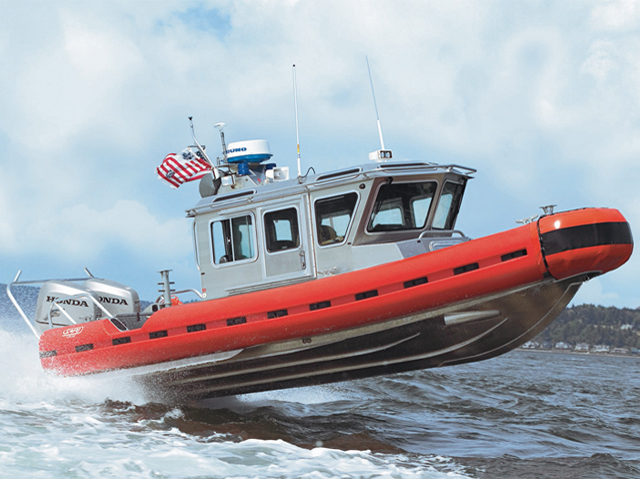
- Remarkable angling resources and https://thepacificspin.ca fuel your fishing passion today
- Understanding Pacific Northwest Fishing Conditions
- The Importance of Tackle Selection
- Navigating Regulations and Conservation Efforts
- The Role of Catch and Release
- Essential Techniques for Pacific Northwest Anglers
- Understanding Bait and Lure Selection
- Beyond the Catch: Embracing the Angling Lifestyle
Remarkable angling resources and https://thepacificspin.ca fuel your fishing passion today
For angling enthusiasts and seasoned fishermen alike, finding reliable resources and quality gear is paramount to a successful and enjoyable experience on the water. Fortunately, a dedicated online platform, https://thepacificspin.ca, has emerged as a comprehensive hub for all things fishing, catering particularly to the diverse and challenging conditions of the Pacific Northwest. This site isn't just an online store; it’s a community, a knowledge base, and a gateway to unlocking your full fishing potential. Whether you're targeting salmon, halibut, trout, or any other prized species, finding the right information and equipment can make all the difference.
The world of fishing is constantly evolving, with new techniques, tackle, and regulations emerging all the time. Staying informed and equipped is essential, and that's where specialized resources like this one truly shine. Anglers need access to not only top-tier products, but also expert advice, detailed reports, and a supportive network of fellow fishing fanatics. Understanding the nuances of local waters, seasonal patterns, and effective strategies are critical components of consistently landing the big one. The site aims to provide exactly that—a robust platform where anglers can refine their skills and share their passion.
Understanding Pacific Northwest Fishing Conditions
The Pacific Northwest presents a unique set of challenges and opportunities for anglers. The region's diverse ecosystems, ranging from rugged coastlines to pristine rivers and lakes, are home to an abundance of fish species, each with its own specific habits and preferences. Successfully navigating these waters requires a deep understanding of tidal patterns, water temperatures, currents, and the availability of baitfish. Furthermore, the ever-changing weather conditions – from calm, sunny days to sudden storms – demand adaptability and the right gear. The ability to read the water, recognize subtle cues, and adjust your approach accordingly is what separates the casual angler from the seasoned pro. The Pacific Northwest’s reputation for large, hard-fighting fish also necessitates robust tackle and proper techniques for both landing and safely releasing your catch.
The Importance of Tackle Selection
Choosing the right tackle is crucial for success in the diverse fishing environments of the Pacific Northwest. The type of fish you're targeting, the depth of the water, and the prevailing current all influence the optimal setup. For salmon fishing, heavy-duty rods and reels paired with durable line are essential to handle the power and stamina of these impressive fish. For trout or smaller species, lighter tackle allows for greater sensitivity and a more delicate presentation. Selecting the appropriate lures, baits, and hooks is equally important, as it directly impacts your ability to attract fish and secure a solid hookset. Investing in high-quality tackle isn’t just about increasing your chances of landing a fish; it’s about ensuring a more enjoyable and efficient fishing experience. A well-maintained rod and reel will perform flawlessly, reducing fatigue and allowing you to focus on the art of angling.
| Fish Species | Recommended Tackle |
|---|---|
| Salmon | Heavy-duty rod (20-30lb test), large spinning reel or conventional reel, 20-50lb braided line. |
| Halibut | Extra-heavy rod (30-50lb test), large conventional reel, 50-80lb braided line, circle hooks. |
| Trout | Light-action rod (4-8lb test), small spinning reel, 4-8lb monofilament or fluorocarbon line. |
| Rockfish | Medium-heavy rod (10-20lb test), medium-sized spinning reel, 10-20lb monofilament line. |
Understanding how to properly maintain your tackle is also essential. Regularly cleaning and lubricating your reels, inspecting your line for abrasions, and sharpening your hooks will extend the life of your gear and improve its performance. This attention to detail demonstrates respect for the fish and the environment, ensuring a sustainable and responsible approach to angling.
Navigating Regulations and Conservation Efforts
Responsible angling requires a thorough understanding of local fishing regulations and a commitment to conservation. The Pacific Northwest boasts a complex web of rules governing seasons, catch limits, size restrictions, and allowable gear types. These regulations are in place to protect fish populations and ensure the long-term health of the ecosystem. Ignoring these rules can result in hefty fines and even the loss of fishing privileges. Before heading out on the water, it’s crucial to consult the latest fishing regulations published by the relevant state or provincial authorities. The resources provided on sites like https://thepacificspin.ca frequently include links to these important regulatory documents, simplifying the process for anglers. Staying informed not only ensures compliance but also demonstrates a commitment to sustainable fishing practices.
The Role of Catch and Release
Catch and release fishing is a cornerstone of modern conservation. This practice allows anglers to enjoy the thrill of the catch without negatively impacting fish populations. However, successful catch and release requires careful handling and a commitment to minimizing stress on the fish. Using barbless hooks, landing fish quickly, keeping them in the water as much as possible, and supporting their bodies properly can significantly increase their chances of survival. Furthermore, avoiding handling fish in warm water, as temperatures can affect their ability to recover, is paramount. Educating yourself on best practices for catch and release is an essential component of responsible angling and ensuring the future of our fisheries. The practice helps maintain healthy populations for years to come, benefiting both current and future generations of anglers.
- Always check current fishing regulations before heading out.
- Utilize barbless hooks whenever possible.
- Minimize handling time during catch and release.
- Support the fish properly when taking a photo.
- Report any suspected violations of fishing regulations.
Supporting organizations dedicated to fisheries conservation is another important way to give back. Many groups work tirelessly to restore habitats, conduct research, and advocate for responsible fisheries management. Contributing your time or financial resources to these efforts can help ensure the long-term health of our aquatic ecosystems.
Essential Techniques for Pacific Northwest Anglers
Mastering a variety of fishing techniques is key to success in the Pacific Northwest. The specific methods employed will depend on the target species, the location, and the prevailing conditions. Trolling, casting, jigging, and fly fishing are all popular techniques used in the region. Trolling involves dragging lures or bait behind a moving boat, effectively covering a large area of water. Casting allows for precise lure placement and is particularly effective when targeting fish holding near structure. Jigging involves vertically presenting a lure or bait, attracting fish from below. Fly fishing, a more specialized technique, requires skill and finesse, but can be incredibly rewarding. Each technique demands specific equipment and knowledge, and continuous learning is crucial for honing your skills.
Understanding Bait and Lure Selection
Selecting the right bait or lure is a critical component of attracting fish. Different species respond to different presentations, and understanding their preferences is essential. Natural baits, such as worms, shrimp, and herring, can be highly effective, particularly when targeting bottom-dwelling species. Lures, on the other hand, offer the advantage of being reusable and can often cover more water. Spoons, spinners, plugs, and soft plastic baits are all popular choices, each with its own unique action and appeal. Matching the hatch – selecting lures that mimic the natural prey of the target species – is a proven strategy for increasing your success rate. Experimenting with different colors, sizes, and actions is important for identifying what works best on any given day. The resources found on platforms like https://thepacificspin.ca often feature expert advice on bait and lure selection for specific species and locations.
- Research the preferred food sources of your target species.
- Select lures or baits that closely resemble natural prey.
- Experiment with different colors and sizes.
- Consider the water clarity and current conditions.
- Adjust your presentation based on fish behavior.
Learning to read the water and identify promising fishing spots is a skill that takes time and practice. Look for areas with structure, such as rocks, logs, and weed beds, which provide cover and attract fish. Pay attention to changes in water depth, temperature, and current, as these factors can influence fish distribution. Observing the behavior of baitfish can also provide valuable clues as to where the larger predatory fish might be lurking.
Beyond the Catch: Embracing the Angling Lifestyle
Fishing is more than just a hobby; it’s a lifestyle that connects us to nature and provides a sense of peace and tranquility. Spending time outdoors, surrounded by the beauty of the Pacific Northwest, offers a welcome escape from the stresses of modern life. The challenge of outsmarting a fish, the camaraderie of fellow anglers, and the satisfaction of a well-earned catch are all rewarding aspects of this pastime. It's about respecting the environment while reaping the rewards it provides. The experience fosters a deep appreciation for the natural world and a sense of stewardship for its resources. Furthermore, sharing your passion with others, whether through mentoring new anglers or simply spending time with loved ones, enhances the overall experience.
The Pacific Northwest's diverse angling opportunities seamlessly blend adventure with conservation, offering a holistic experience. From the rugged coastline to the serene rivers and lakes, the region provides an idyllic backdrop for pursuing your angling aspirations. Resources like https://thepacificspin.ca help facilitate responsible angling, connecting enthusiasts with information, gear and community support. The possibilities for exploration, skill development, and the creation of lasting memories are truly limitless, fostering a genuine appreciation for the outdoors and a commitment to preserving its beauty for generations to come. It’s a journey of constant learning, adaptation, and connection with the natural world.

 cdowhie@gmail.com