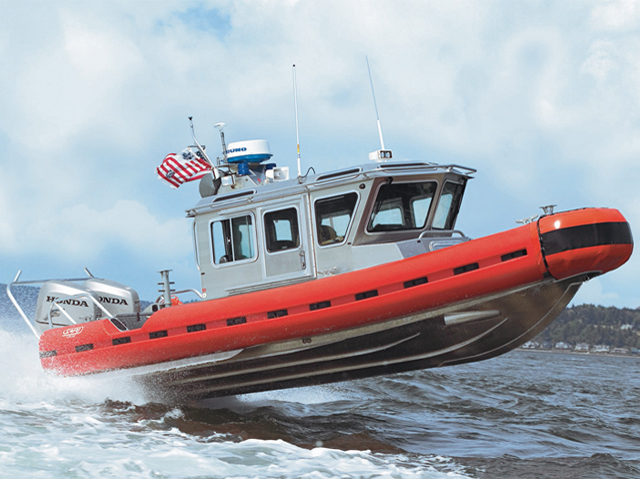
- Remarkable currents and the lucky wave offer surfers thrilling ride potential
- Understanding Wave Formation and Oceanic Currents
- The Role of Swell Direction and Local Wind Conditions
- Predicting and Identifying Potential "Lucky Waves"
- The Impact of Tidal Influences on Wave Formation
- The Subjective Nature of a “Lucky Wave” and the Surfing Experience
Remarkable currents and the lucky wave offer surfers thrilling ride potential
The ocean's power is a captivating force, drawing adventurers and thrill-seekers to its shores for centuries. Among the many phenomena that grace the world's coastlines, the pursuit of the perfect ride is paramount for surfers. A particularly sought-after experience is encountering a lucky wave – an exceptionally formed swell offering an exhilarating and often unforgettable journey. These aren't simply waves; they represent a confluence of oceanic conditions, creating a momentary masterpiece of fluid motion and energy.
Surfing is deeply rooted in an understanding of the ocean’s rhythms, and identifying potential 'lucky waves' requires a blend of skill, experience, and an almost intuitive connection with the sea. Factors contributing to these exceptional waves range from distant weather systems and underwater topography to local wind conditions and tidal influences. The pursuit isn’t merely about physical prowess; it’s an immersive experience demanding respect for the ocean's untamed nature and a constant learning process to interpret its complex signals. The sense of accomplishment that comes with successfully riding an exceptional wave is something surfers cherish and continually strive to recapture.
Understanding Wave Formation and Oceanic Currents
The creation of waves is a complex process originating far from the shore. Wind blowing across the surface of the water transfers energy, forming ripples that grow into swells as they travel across vast distances. These swells are then influenced by various factors as they approach the coastline, including the depth of the water and the shape of the seafloor. Underwater canyons, reefs, and continental shelves all play a role in refracting, focusing, and ultimately shaping waves. The interaction between these geological features and the incoming swell energy is what determines the quality and characteristics of the waves that break on a given beach. Different types of waves, like groundswells and windswells, also have varying degrees of power and consistency, impacting the likelihood of finding a truly remarkable ride that equates to a ‘lucky wave’.
Currents are equally crucial to understanding wave dynamics. Rip currents, for example, can pose a significant danger to surfers, pulling them away from the shore. However, other currents, like longshore currents, can help to concentrate wave energy and create more consistent breaks. Understanding how these currents interact with the waves is essential for any surfer seeking to maximize their time in the water and find the best possible conditions. Strong currents can also contribute to the formation of unique wave patterns and shapes, increasing the chances of encountering a highly sought-after, powerful swell. A skilled surfer can utilize their knowledge of these currents to position themselves optimally for an approaching wave.
| Wave Height | Wind speed, duration, and fetch (distance over which wind blows) |
| Wave Period | Distance the swell has traveled |
| Wave Shape | Underwater topography (reefs, canyons) |
| Wave Consistency | Swell direction and frequency |
The intensity of a wave is very much dependent on the direction of the swell. A swell that is perfectly aligned with the coastline's features will inevitably be larger and more powerful. Recognizing these factors requires constant observation and a keen understanding of meteorological and oceanographic data; this knowledge is at the heart of finding that coveted, thrilling experience.
The Role of Swell Direction and Local Wind Conditions
Swell direction is a paramount factor in determining wave quality. A swell angled towards a specific stretch of coastline will wrap around headlands and break more consistently, creating favorable conditions for surfing. Conversely, a swell hitting the coast directly head-on can result in choppy, disorganized waves. Surfers often use swell forecasts and charts to predict the direction of incoming swells and identify locations that will receive the most favorable conditions. The angle of incidence influences how the wave interacts with the seabed and, subsequently, its shape and power. It’s a meticulous process of prediction and anticipation, but essential for any serious surfer.
Local wind conditions significantly modify the characteristics of waves. Offshore winds, which blow from the land towards the sea, groom the waves, creating clean, well-defined faces that are ideal for surfing. Onshore winds, blowing from the sea towards the land, can create choppy, messy conditions, making it difficult to maintain control. The strength and direction of the wind can dramatically alter the wave’s shape and usability. A light offshore breeze can transform an average swell into a surfer’s paradise, while a strong onshore wind can quickly ruin even the most promising conditions. Understanding the interplay between swell direction and local wind is therefore key to locating that perfect breaker – a true reflection of a ‘lucky wave’.
- Offshore winds groom wave faces.
- Onshore winds create choppy conditions.
- Swell direction dictates wave consistency.
- Local topography shapes wave break.
The ultimate goal for most surfers is to find a combination of swell direction and wind conditions that create a perfectly formed, glassy wave – a wave that allows for smooth, powerful turns and long, exhilarating rides. This pursuit often involves hours of scouting, observation, and a lot of patience; but the reward of riding a phenomenal wave is well worth the effort.
Predicting and Identifying Potential "Lucky Waves"
Modern wave forecasting has revolutionized the way surfers approach their sport. Utilizing sophisticated meteorological models and data from buoys and satellites, forecasters can provide remarkably accurate predictions of swell size, direction, and period. Websites and apps dedicated to wave forecasting provide surfers with access to this information, allowing them to plan their sessions strategically. However, even the most advanced forecasts are not foolproof. Local variations in wind and current can significantly alter wave conditions, so on-the-spot observation remains crucial. Experienced surfers learn to read the water, identifying subtle changes in wave pattern and behavior that indicate the potential for a larger or more powerful swell.
Identifying a potential 'lucky wave' involves more than just looking at the size of the swell. Surfers also assess the shape, consistency, and overall energy of the waves. A well-formed wave will have a clean, peeling face that allows for smooth, controlled turns. Consistency is also important, as surfers want to avoid waves that break erratically or close out too quickly. A wave with a good amount of energy will provide the power and drive needed for an exhilarating ride. It’s a holistic assessment, informed by years of experience and intuition. There’s an art to reading the ocean – it's a skill honed over countless hours spent in the water.
- Check swell forecasts diligently.
- Observe wave shape and consistency.
- Assess wave energy and power.
- Understand local wind patterns.
The ability to accurately predict and identify potential ‘lucky waves’ requires a deep understanding of both the science and the art of surfing. It's a combination of data analysis, intuitive observation, and a profound respect for the power of the ocean. This dedication and understanding are what separates casual wave riders from those who truly connect with the sea.
The Impact of Tidal Influences on Wave Formation
Tides play a significant role in how waves break and the overall surfing experience. The gravitational pull of the moon and the sun causes the sea level to rise and fall, creating high and low tides. These tidal changes can dramatically alter the shape of the wave, the depth of the water, and the position of the break. Understanding how tides interact with a particular surf spot is essential for maximizing your time in the water. At certain tide levels, waves may break too close to the shore, making them shallow and dangerous. At other levels, they may break too far out, making them difficult to reach. The ideal tide level varies depending on the specific location and the characteristics of the seabed.
During an incoming tide, waves tend to become more organized and consistent as the water deepens. This can create excellent surfing conditions, especially at reef breaks. Conversely, during an outgoing tide, waves may become more powerful and unpredictable as they break over shallower water. The knowledge of these changes allow a surfer to optimize the experience for the given location. Knowing the specific tidal range and correlating it with swell forecasts is an integral component of discovering a true ‘lucky wave’, a fleeting moment of perfect alignment between natural forces. Furthermore, tidal currents can significantly influence wave direction, creating channels and eddies that affect the flow of water.
The Subjective Nature of a “Lucky Wave” and the Surfing Experience
While objective factors like swell size, direction, and tidal conditions certainly contribute to wave quality, the perception of a ‘lucky wave’ is ultimately subjective. What one surfer considers a perfect wave, another may find less appealing. Preferences vary based on skill level, surfing style, and individual taste. A longboarder, for example, may prefer a mellow, rolling wave, while a shortboarder may seek out a steep, fast-breaking wave. What truly makes a wave ‘lucky’ is the feeling it evokes – the sense of exhilaration, freedom, and connection with the ocean. That intangible quality is what draws surfers back time and again, chasing those fleeting moments of pure joy.
The experience of riding a "lucky wave" goes beyond the physical sensation of gliding across the water. It's a moment of complete immersion in the present, where all distractions fade away and the surfer becomes one with the wave. It's a testament to the power of nature and the human spirit’s capacity for adventure. It’s a dance between surfer and ocean, a momentary harmony of skill, instinct, and environmental forces. The thrill isn't solely in the ride itself, but in the journey of anticipation, the understanding of the ocean’s intricacies, and celebrating being a part of something so much greater than oneself.

 cdowhie@gmail.com